Introduction
When it pertains to maintaining the appeal and honesty of your home, couple of tasks are as impactful as repainting the exterior. However, it's not nearly picking the right color or method; recognizing weather condition considerations is similarly critical. Climate condition can significantly impact both the application process and the durability of your paint task. In this thorough overview, we'll discover all facets of painting outsides while concentrating on important climate considerations and finest practices.
Painting Outsides: Weather condition Considerations and Ideal Practices
Understanding the Significance of Climate in Outside Painting
Weather plays a critical duty in the success of an outside painting task. Irregularity brotherbrushpainting.com in temperature level, moisture, wind rate, and precipitation can all impact drying times, bond, and overall finish quality. Consequently, being mindful of weather condition patterns is vital for any type of homeowner or contractor.
Key Weather condition Elements to Consider
Temperature: Perfect temperature levels for most external paints range in between 50 ° F and 85 ° F. Extreme warmth can trigger paint to dry also quickly, while cold temperature levels can stop appropriate curing.
Humidity: High moisture degrees can raise drying out times and might cause concerns like mold development. On the other hand, reduced humidity can quicken evaporation.
Wind: Windy conditions can present dirt and debris into damp paint, bring about an uneven finish.
Precipitation: Rain can remove fresh paint or cause it to run prior to it dries properly.
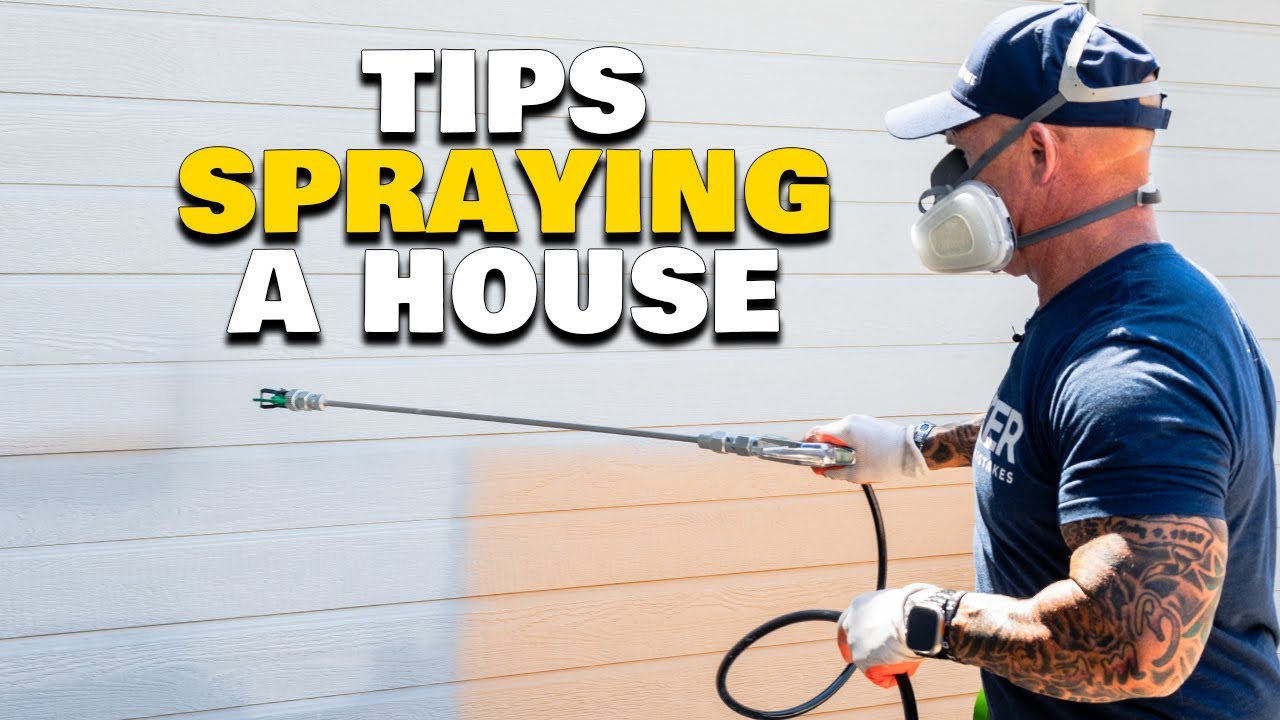
Sunlight Exposure: Straight sunlight can heat up surface areas exceedingly, causing paint to bubble or peel.
Planning for Seasonal Changes
As periods change, so do weather conditions. Each season provides its own collection of difficulties for outside painting.
Spring Painting Strategies
Spring often provides modest temperatures perfect for paint; however, rain showers are common.
- Best Practices: Check neighborhood forecasts regularly. Plan job throughout dry spells. Use moisture-resistant primers.
Summer Painting Tips
Summer brings heat yet additionally intense sunlight that can create paint to dry as well fast.
- Best Practices: Paint early in the morning or late in the evening. Use reflective tarps to protect surface areas from straight sunlight. Opt for top quality exterior paints created for hot conditions.
Autumn Considerations
Fall is normally an attractive time for painting yet features its very own obstacles like dropping temperature levels at night.
- Best Practices: Start jobs early in the day when temperatures are still warm. Ensure surfaces are completely dry from morning dew before using paint. Keep an eye on nighttime temperatures which should continue to be above freezing.
Winter Challenges
Winter is generally seen as a no-go period for exterior painting due to cold temperatures and snow risks.
- Best Practices: If absolutely essential, usage specialized winter-grade paints designed to treat at lower temperatures. Work on secured areas that decrease exposure to harsh elements.
Choosing The Correct time of Year
The best time of year usually depends upon your geographical area:
|Region|Ideal Seasons|| ---------------|-----------------------|| North United States|Late Springtime & & Early Autumn|| Southern USA|Spring & & Autumn|| Coastal Areas|Late Spring & & Summer season|
Selecting Top quality Paint Products
Not all paints are created equal; selecting top quality products designed for outside usage is essential.
Types of Outside Paints
Acrylic Latex Paints: Superb flexibility and adherence buildings make them appropriate for different climates.
Oil-Based Paints: Offer durability however call for longer drying times; not suggested in damp problems due to slow down curing.
Elastomeric Coatings: Ideal for areas with extreme climate variations as a result of their ability to expand and acquire without cracking.
Preparing Surfaces Before Painting
Preparation is essential to accomplishing a resilient surface:
Cleaning: Get rid of dirt, mold, mold, and peeling off paint making use of appropriate cleansers or stress washing techniques.
Repairing Damages: Fill up fractures or holes with caulking or putty; make certain surface areas are smooth prior to priming.
Priming: Apply a quality guide fit for exterior use; this step improves attachment while obstructing spots from hemorrhaging through the topcoat.
The Function of Guides in Outside Painting
Primers offer several features:
- They boost paint adhesion, Prevent peeling, Block discolorations, Provide an also surface area color before using topcoats.
Techniques For Applying Exterior Paints
To achieve a perfect surface while taking into consideration environmental elements:
Brush vs Roller vs Sprayer
- Brushes provide precision, Rollers offer rate, Sprayers make it possible for also protection over huge areas promptly yet necessitate competent handling.
Layering Techniques
- Thin layers applied uniformly produce better results than thick layers that might moist effectively under unfavorable climate conditions.
- Use painter's tape around edges where shades fulfill (like trim) making sure clean lines even when faced with challenging wind gusts that might disrupt application accuracy.
Maintaining Your Painted Surfaces Over Time
No matter exactly how well you prepare or apply your outside paint task, upkeep is crucial:
Regularly evaluate coloured surface areas every six months, Clean off dirt buildup yearly, Touch up chips or scratches without delay, Reseal areas around doors and windows annual if applicable.FAQs About Paint Outsides Under Different Weather Conditions
What's the ideal temperature range for exterior painting?
The finest temperature level array is typically between 50 ° F and 85 ° F (10 ° C-- 29 ° C) throughout application however check product requirements as some formulas have their unique requirements!
Can I repaint if it's drizzling?
It's not ideal! Light rain might remove damp paint-- wait till it cleans up completely!
Is it all right to paint throughout high humidity?
High moisture enhances drying out time; ideally shot waiting till there's little wetness in the air!
What takes place if I paint below freezing?
Paint may not stick properly-- it can freeze before healing leading at some point leading flaking later on-- ideal stayed clear of entirely!
How does direct sunlight impact my painting process?
Direct sunlight creates fast evaporation resulting in bubbling-- work during cooler hours instead!
When must I think about employing professionals as opposed to DIY?
If you're unsure concerning specific weather conditions impacting your area's climate abilities together with substantial preparation work called for-- we advise seeking advice from specialists-- they have actually obtained experience dealing with difficult scenarios!
Conclusion
Painting outsides needs careful intending around different weather condition factors to consider-- sticking carefully will guarantee enduring elegance while protecting your financial investment! Keep in mind that prep work goes together with picking quality products-- this combination results in magnificent exteriors ready to withstand whatever Nature throws their means! So prepare with knowledge-- the next time you pick up a brush-- you'll be fully equipped not only technically however likewise strategically!